How to Choose the Right Off-Road Caravan for Victoria's Best Tracks
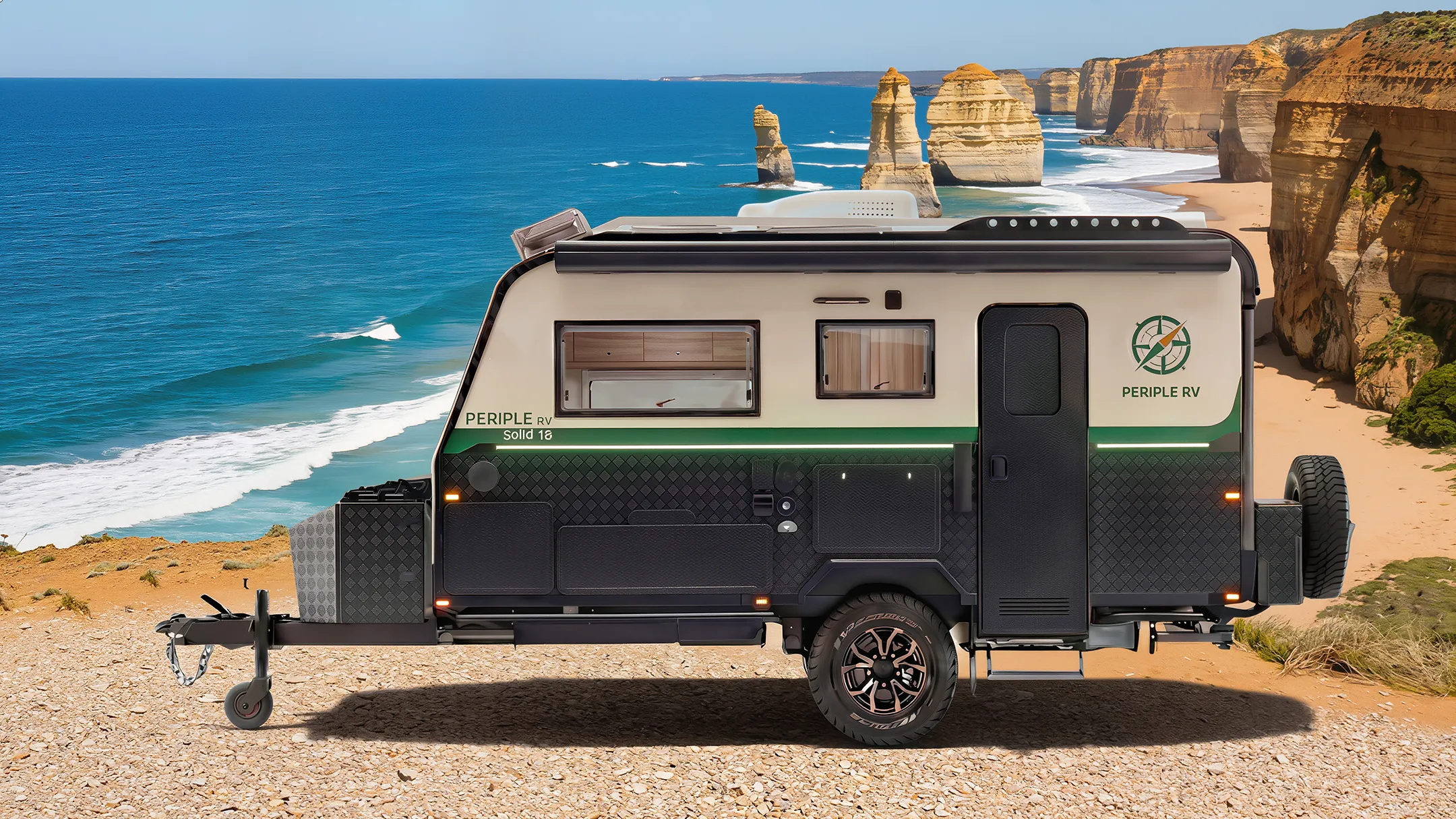
Victoria is one of Australia's most underrated off-road destinations. From the rugged climbs of the High Country to the dense bush tracks of Lerderderg and the coastal trails of the Otways, the state packs more variety into a few hours' drive from Melbourne than most people realise.
But not every caravan is built for Victoria's tracks. And not every track suits every caravan. Getting that match right is the difference between a weekend you'll tell stories about for years and a trip that ends on the side of a forest road, waiting for a recovery crew.
This guide covers what to look for in an off-road caravan before you tackle some of Victoria's most popular tracks — and what those tracks actually demand from your rig.
What Makes Victoria's Off-Road Terrain Different
Before diving into specs, it helps to understand what you're actually up against. Victoria's off-road terrain isn't the sandy desert of WA or the corrugated red dirt of the outback. It's mud, rock, steep gradients, and tight bush corridors. Tracks like Toolangi's Rocky Track and the Lerderderg Track involve rocky creek crossings, off-camber climbs, and tree corridors that punish anything too wide or too long. Wet weather — and Victoria gets plenty — can turn a moderate track into a serious challenge overnight.
Your caravan needs to handle all of it:
- Constant lateral movement on corrugated dirt roads
- Low clearance hazards — rock shelves, logs, creek lips
- Tight turns through bush corridors where a longer van becomes a genuine liability
- Sustained vibration that stresses joints, seals, and fittings over time
- Off-grid conditions — Victoria's best spots have no powered sites
On-road vans — however plush — will shake apart, leak, and suffer structural damage on tracks like these. The engineering underneath is what matters.
Key Features to Look For
1. Chassis Strength and Ground Clearance
Victoria's tracks involve rock ledges, creek crossings, and uneven ground that will bottom out a standard caravan. Look for a hot-dipped galvanised or fully welded chassis with genuine off-road ground clearance — not an on-road van with bigger tyres bolted on.
A minimum of 300mm ground clearance is the realistic baseline for Victorian conditions. The chassis needs to be rated to handle lateral flex on off-camber terrain, not just straight-line corrugations.
2. Independent Suspension
Standard leaf spring suspension transmits every bump and rock directly through the van's structure. Independent coil suspension — or quality trailing arm systems — absorbs the punishment instead, protecting cabinetry, seals, and appliances.
On Victorian High Country tracks, independent suspension isn't an upgrade. It's what keeps your van in one piece over 200 kilometres of corrugated dirt.
3. Size: Why 16ft Is the Sweet Spot for Victoria
This is one of the most common mistakes Victorian buyers make — going too big. Victoria's bush tracks are narrow. Toolangi, Bunyip State Park, the Wombat Forest trails — they were built for logging trucks and 4WDs, not wide caravans. A 20ft or 22ft van will struggle to navigate tight corners without clipping trees or running off the track edge.
"If you're planning to tackle anything more challenging than a gravel road in Victoria, 16ft is the maximum most experienced off-road caravanners would recommend."
4. Off-Grid Power: Solar and Lithium
The best camping spots in Victoria — Wonnangatta Valley, the Big Desert Wilderness, the remote pockets of the Grampians — have zero powered sites. Relying on mains power means you're not getting to the good stuff.
In the High Country and alpine regions, temperatures get genuinely cold. AGM batteries lose meaningful capacity below about 10°C. Lithium doesn't.
Victoria's Off-Road Tracks: What Each One Demands
Lerderderg State Park
Difficulty: Beginner to Intermediate
One of the closest genuine off-road destinations to Melbourne. The main track involves muddy terrain, rock sections, and creek crossings that deepen after rain — enough to sort a well-built van from a poorly-built one.
Wombat State Forest
Difficulty: Beginner to Intermediate
In wet conditions the Wombat is notorious — the clay gets greasy fast, and it claims vehicles that underestimate it. Blue Gum Track and O'Briens Crossing are solid starting points.
Victorian High Country
Difficulty: Intermediate to Advanced
Where serious off-road caravanners head for extended trips. Tracks like Billy Goats Bluff and Blue Rag Range are full advanced-spec territory, but the broader High Country has excellent intermediate routes accessible to a well-built 16ft van.
Big Desert Wilderness Park
Difficulty: Intermediate to Advanced (Remote)
For genuine isolation. The Murrayville-Nhill Track runs through flat, sandy, remote terrain with no towns and no mobile reception. Self-sufficiency is mandatory: carry all water, fuel, and recovery gear.
Common Mistakes Victorian Off-Road Caravanners Make
- Buying too long
A 20ft+ van looks impressive on the dealership floor. On a Toolangi forest track in the rain, it becomes a genuine liability.
- Ignoring the suspension
The last 50km of corrugated dirt will tell you everything about whether the suspension was worth the money. It almost always is.
- Not checking track conditions
Victoria's tracks change fast with weather. Always check Parks Victoria and local 4WD club updates before heading out.
Why the Periple RV 16ft Was Built for Victoria
The 16ft format is deliberate. It gives you everything needed for a comfortable extended trip — proper bed, full kitchen, bathroom, off-grid power — in a package that handles Victoria's narrow, technical tracks without compromise.
Explore the 16 SolidFound This Guide Helpful?
We put a lot of work into keeping this guide accurate, practical, and free of fluff. If it's been useful to you, please share it — but when you do, we'd appreciate a link back to the original article on the Periple RV website.
Linking back to the source helps other buyers find accurate, manufacturer-independent advice — and it keeps us motivated to keep writing content worth reading. Thank you.
Article Tags